Last year I had an idea. An idea to show the world what Turner Syndrome looks like. To date, it is and remains my most popular post ever. A fact that I’m both amazed and proud of.
February is Turner Syndrome awareness month, and Lily and I wanted to do something to help spread awareness. Awareness of what Turner Syndrome is. Awareness to the just diagnosed, that this does not have to be a bad thing, and hope to the expecting mother, carrying a precious baby with Turner Syndrome, that this will be a journey that is worth any hardship.
The butterfly is the Turner Syndrome symbol. The TSSUS chose the butterfly because the butterfly is feminine yet strong, every butterfly is unique, and butterflies fly on their own which is our hope for our girls. I think it fits so well because butterflies may at first glance appear fragile, but are truly strong and beautiful, just like these girls!
Over the past year I have learned to know many of these girl’s mothers, and some I have formed life-long friendships with. And again, putting this post together this year, I have been moved to tears many times. Last year I learned that Lily and I are not alone, this year I know we have an entire support system to lift us up whenever and wherever we need it.
My hope is that you’ll share this post as much as possible. Please post it to your facebook, tweet a link to it, email it to your family, friends, your local media. Alone I’m just a single blogger, but together we can make a difference!
So without further explanation here are our beautiful butterflies – 45chromosome princesses of all ages, they are many and varied, they are miracles, our one percents!
Sajda – 23 months
Sajda is the youngest of 5 children. She has 4 older brothers, but she doesn’t let that slow her down!
She has Mosaic Turner’s Syndrome. She also has a congenital heart defect, Pulmonary Atresia with VSD. She had open heart surgery for it at 5 days old but is thriving right now. She will need another surgery in a couple years to replace her conduit. She is learning to sign some words, along with learning to speak some words in Kurdish and English. Her favorite toy is her baby dolls. She continues to be a source of joy to everyone she meets. And is rarely without a smile.
Kessleigh – 2 years
Kessleigh was diagnosed at birth. Unfortunately she has a bad immune system and has been hospitalized 9 times for various sicknesses. She started growth hormones just this past January! Despite being tiny, she appears normal and happy!
Mya was diagnosed in utero via amnio which was performed due to concerns with blood tests and ultrasounds. Mya has had 2 eye surgeries to correct tear duct issues, and still needs at least 1 more. She has also had 2 ear surgeries due to chronic ear infections, which she is still battling. She started growth hormones back in July and is growing well with the extra help! Mya is happy, loving, caring, extremely smart and slightly wild, thanks to four older brothers. Her mother says, “We adore our little miracle more than words can express and can not wait to see what is in store for our future.”
Ainsley and Aubrey – 2
Ainsley and Aubrey are identical twins with mosaic Turner Syndrome. Smart, funny, feisty, and always on the go. They love singing, dancing, playing at park, and reading stories. Their mother comments, “I’ve said it before and I’ll always say it they may be tiny but they are definitely mighty! They are just amazing and bring us all so much joy!”
Juliana Grace Rose – 19 months
Juliana Grace Rose was born 6-2-11 after a very complicated pregnancy in which are parents were told she would never survive. She had open heart surgery at 3 days old but is doing fantastic now. She is funny, energetic and is the light of her parent’s life. She absolutely adores her big brother Will and is fascinated by her new baby sister. She is already a little mother herself! She loves “Baby Signing Time” movies and is learning all the signs. Her mother says, “I can’t imagine our lives without our little miracle girl!”
Brooke – 6
Brooke was diagnosed at 22 months with Turner Syndrome and Systemic onset Juvenile Idiopathic Arthritis. When she was born her parents had no idea she had Turner Syndrome. She did not show any signs or have any outward appearances of anything being wrong. Looking back, she had a few signs: she was small, had chronic ear infections and had texture aversion and could not handle anything with texture without gagging and often times vomiting. However, her parents did not find out about the Turner Syndrome until she became deathly ill with Systemic onset Juvenile Arthritis, an autoimmune disorder. Cancer had to be ruled out so a bone marrow aspiration was done. That is how they found out about the Turner Syndrome. Her mom says, “She is the light of our lives.” She enjoys ballet and loves her kitten Bella.
Eliana Grace – 2
Eliana, whose name is Hebrew and means “My God has answered” has Classic Turner Syndrome. It has been confirmed she is missing one X chromosome from every cell of her DNA. She was born with a mild heart defect–biscuspid aortic valve–but currently is experiencing no issues. Eliana is tiny for her age, but is mightily equipped with her quick wit, strong sense of humor, and advanced verbal skills. Her only “issue” to date is a rare, vascular malformation in her foot. She is otherwise healthy, and is a happy, vibrant child!
Kiarra – 16 months
Kiarra was diagnosed when her mom was 5 months pregnant through an amnio. She was asked if she wanted to abort her, and says, “I’m so glad I gave my butterfly a chance at life we love her with all our heart and soul!”
Lily Brigid – 15.5 months
Lily was diagnosed with Turner Syndrome at 16 weeks gestation by an amnio done after the discovery of a cystic hygroma at 12 weeks. She had coarctation of the aorta repair done when she was 2 days old, and came home when she was 12 days old. Now, Lily is the most amazing little girl. She is cute, funny, and has a great sense of humor already. She just learned how to walk today. She loves her brother, sister, mom, dad, and grandparents immensely and is always giving hugs and kisses. Lily is smart too- she is learning baby sign language and is doing great! Her mom says, “Every day I look at her and smile, knowing she is proof that miracles do happen.”
Kenzie Grace – 15 months
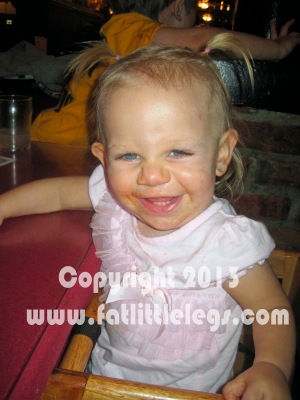
When Kenzie’s mom went for her 20 week check up, she was told that her baby had fluid behind her skull, fluid on the tops of her feet, and fluid in her heart. The doctor mentioned that these things were markers for a genetic disorder. After essentially telling them that their daughter would likely not live, he said “because you live in NY state, I have to give you the option, would you like to terminate the pregnancy?” Kenzie’s mom says, “There was no hesitation in our definite NO!” They went home to cry and to pray, and beg God to let their baby live. Psalm 27:13-14 became her verse for Kenzie “I am confident of this , I will see the goodness of the Lord in the land of the LIVING. Wait for the Lord, be strong and take heart and wait for the Lord.” Kenzie was born 3 weeks and after a week in the NICU it was finally determined that she had Turner Syndrome. Her heart only has a bicuspid valve, it had a small hole, but God healed that! At 15 months she is a peanut – never on the weight curve, and she had a slight gross motor delay, but after a few months of PT she is almost walking! She says so many words and has such a spunky personality and is the biggest snuggler! Her mom says, “I have learned many things through all of this. your daughter has Turners Syndrome, this is not who she is. This will not define her, or you. Each of these girls is unique and special and beautiful.”
Emmry Adelynn – 16 months
Emmry was born on on the exact same day and year as my Lily – 9/16/2011 At birth her parents did not know she had Turner Syndrome and she was life flighted because she had a PDA and COA along with an
omphalocele. She wasn’t stable enough for open heart surgery and was unable to eat because of her omphalocele. She was put on ventilators, fats, and all sorts of heart medications to keep her stable and her valves working properly until she was able to get open heart surgery. At a week old she got her first surgery- her omphalocele repair – and within a few weeks she was able to breastfeed again. Weeks passed by and she was still too unstable for heart surgery- more testing was done, her heart had miraculously started working on it’s own without need for medication! She could finally come home! She has a wandering eye and
strabismus and wears glasses. She also has a horsehoe kidney, and of course is closely monitored because we never know if she’ll have more heart issues. She had little to no hearing in one ear at birth, but since having tubes and other therapy for her lymphedema and delayed development she is doing WONDERFUL! Her mother says, “I honestly believe she’s been placed in our care for a reason! She’s such a loving, funny, sweet and fierce character and I wouldn’t have her any other way! She’s our Emmry Adelynn- our miracle!”
Ryann Michele – 6
Ryann She survived a cystic hygroma and hydrops in utero! She had a pretty rough start. She was in the NICU for 5 weeks. In addition to Turner Syndrome she has
microcephaly, hearing loss,
multicystic dysplastic kidney, and Cerebral Palsy. Ryann has far exeeded all of her goals. She never gives up and is a true fighter! She can bring a smile to anyone’s face! Her mom says, “We love her to death and are so blessed to be her parents!”
Abigail Louise – 22 months
There was a large Cystic Hygroma discovered during Abby’s dating ultrasoundat 11 weeks, but Abby’s parents waited until she was born to do the genetictesting. Abby has Classic Turner Syndrome (45x). Abby is very fortunate to nothave any major health issues normally associated with Turner Syndrome. She is a tiny little bundle of energy who loves her baby dolls, dress up and a good sword fight with her big brothers who are 7 and 4.
Abbey Raelynn – 11 months
Abbey was diagnosed at 13 weeks in utero with a 6mm cystic hygroma. She defied the odds and was born at 39 weeks. She came out a fighter and that still hasn’t changed. She has a horseshoe kidney and is monitored by specialist for it. But the doctors say it will be the least of her worries. Abbey has a contagious smile that lights up a room. She is very friendly and loves being around people, especially her family. She is very sweet and loving, and she just learned how to blow kisses! Abbey has two siblings that adore her. She is small, but she likes to try and keep up with her older sister and brother. Abbey has blessed our lives and we are very grateful to have her as our daughter!
Emma T – 19 months
Emma is a 19 month old sweet girl. She is always happy and wanting to give a hug and kiss. She just loves her sister, Erika. She also loves all of her animals. She is an amazing girl that loves everyone and everything. She is always happy! She always lights up the room with her energy and sweetness. There is no one that does not love Emma after having met her.
Emma A – 13 months
Emma was diagnosed after birth due to puffy feet and turned up nails. She has no heart or kidney defects. She’s short for her age. She has a 6 year old sister and 11 year old brother, and she loves watching them dance. She is the happiest little girl and has a wonderful personality. She is constantly laughing. She enjoy watching Mickey mouse club house.
Abigail – 2
Abigail was diagnosed with Turner Syndrome at 3 months old and now is a spunky almost 3 yr old with a huge personality and very little fear. Her mom says, “She keeps us on our toes. She is my miracle baby and I would not change a single thing about her.” Looking at her you would never know anything was amiss, other than being petite. Her mother says, “I will never let her diagnosis define her. She is beautiful, intelligent and a fighter!”
Ivy – 2.5
Ivy enjoys princesses, baby dolls, Dora and Ninja Turtles…..or anything her brother is doing. She’s currently taking growth hormones, but still a head below her peers, but she makes up for it with determination and spunk!
Josslyn – 7
Josslyn was diagnosed at 2. She enjoys learning Italian, doing
Capoeira, throwing the football with dad, ice skating, learning to cook, playing video games with her siblings and being like any other 7yo girl. She likes to help spread Awareness about Turner Syndrome and enjoys meeting new TS sisters
and helping others like her.

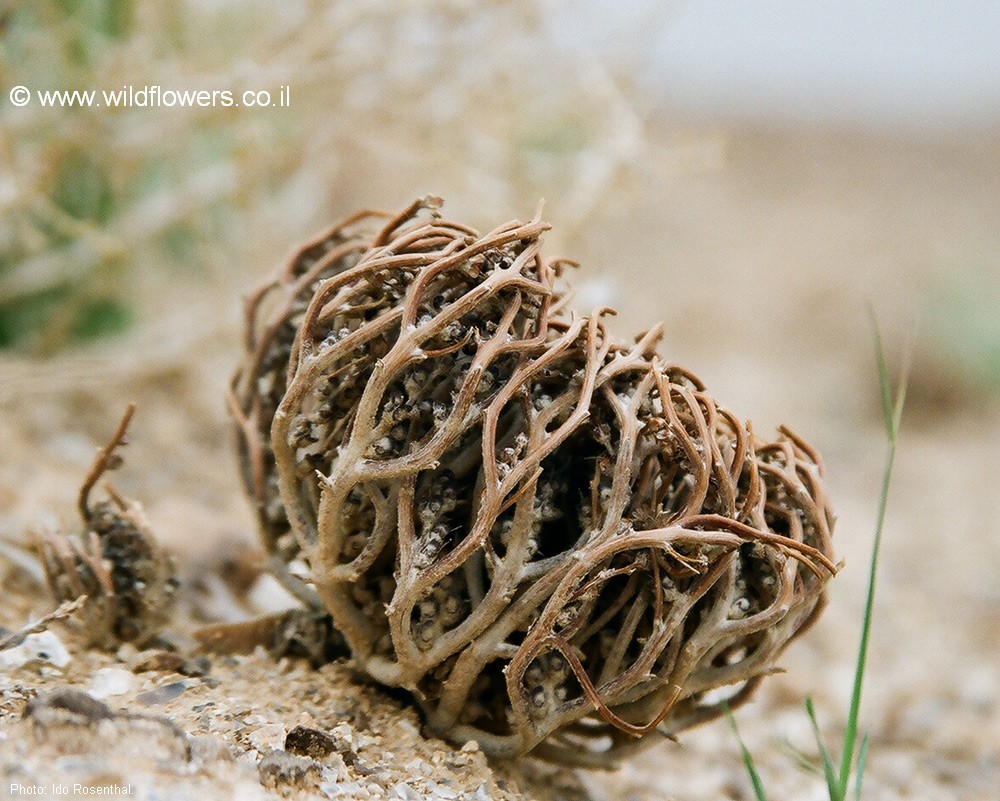 The “flower” in its tumbleweed form.















 Dayz of a M-U-S-L-I-M